
A Local Team
You Can Count On
We’re here to make your home or business look its best with Pool Service that’s quick, friendly, and done right.
300+ Projects Completed
100% Customer Satisfaction
20+ Years of Experience
300+ Projects Completed
100% Customer Satisfaction
20+ Years of Experience
Company Overview
Campbell and Son Pools
Trusted Pool Experts Since 1979
Who We Are
Trusted Pool Experts
Since 1979
For more than four decades, Campbell and Son Pools has been helping homeowners keep their pools safe, beautiful, and operating at their best. Founded by Jerry Campbell, who has worked in the pool industry since 1979, our company is built on experience, integrity, and quality craftsmanship.
Today, Jerry works alongside his son, Eli, who grew up learning the business firsthand. Together, they continue the family tradition of delivering dependable service, honest recommendations, and expert solutions for every pool.
What We Do
Professional Pool Inspections
A thorough pool inspection can save you thousands in unexpected repairs and give you confidence in the condition of your investment. Whether you’re purchasing a home, selling a property, or simply want peace of mind, Campbell and Son Pools provides detailed, professional pool inspections.
Our inspections evaluate the overall condition of your pool and its equipment, helping identify leaks, safety concerns, structural issues, and equipment problems before they become costly repairs. We provide clear, honest assessments so you know exactly what your pool needs.
Why Choose Campbell and Son Pools?
At Campbell and Son Pools, we believe every customer deserves dependable service from professionals they can trust. From comprehensive pool inspections to repairs and long-term maintenance, we’re committed to protecting your investment and keeping your pool ready for years of enjoyment.
Whether it’s preventative maintenance, a detailed inspection, or a major renovation, our team has the experience to get the job done right.
Family-owned and operated
Over 45 years of industry experience
Honest, straightforward recommendations
Reliable workmanship backed by decades of hands-on expertise
Personalized service with attention to detail
Transformations We've Done
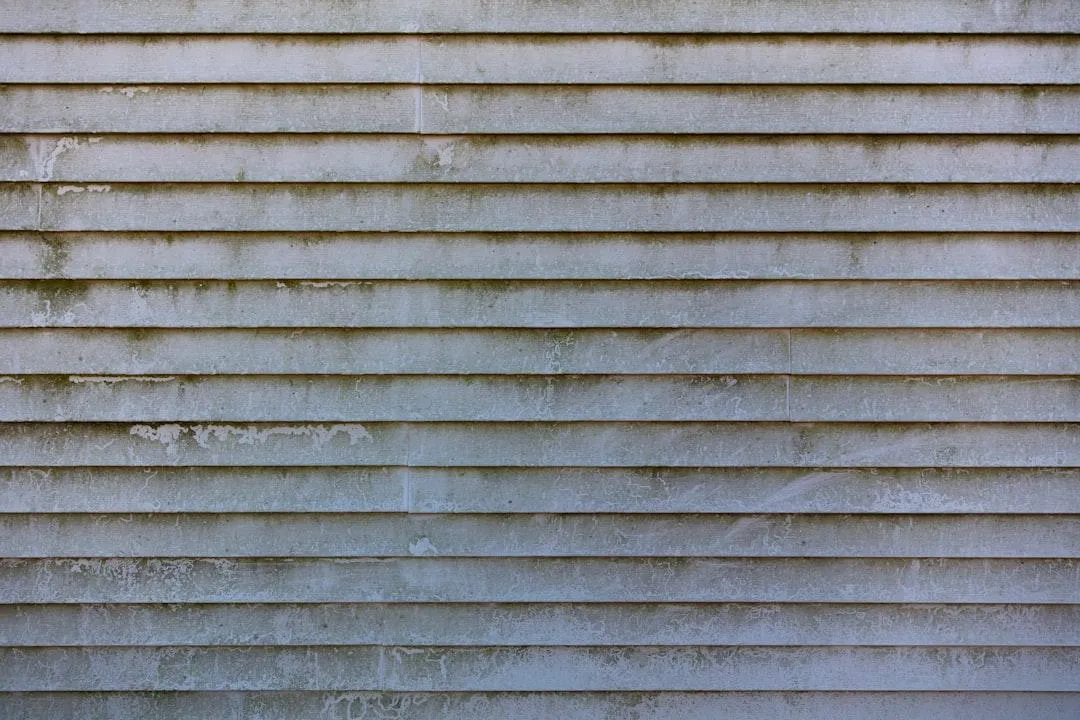
Before
House Siding Wash

After
House Siding Wash
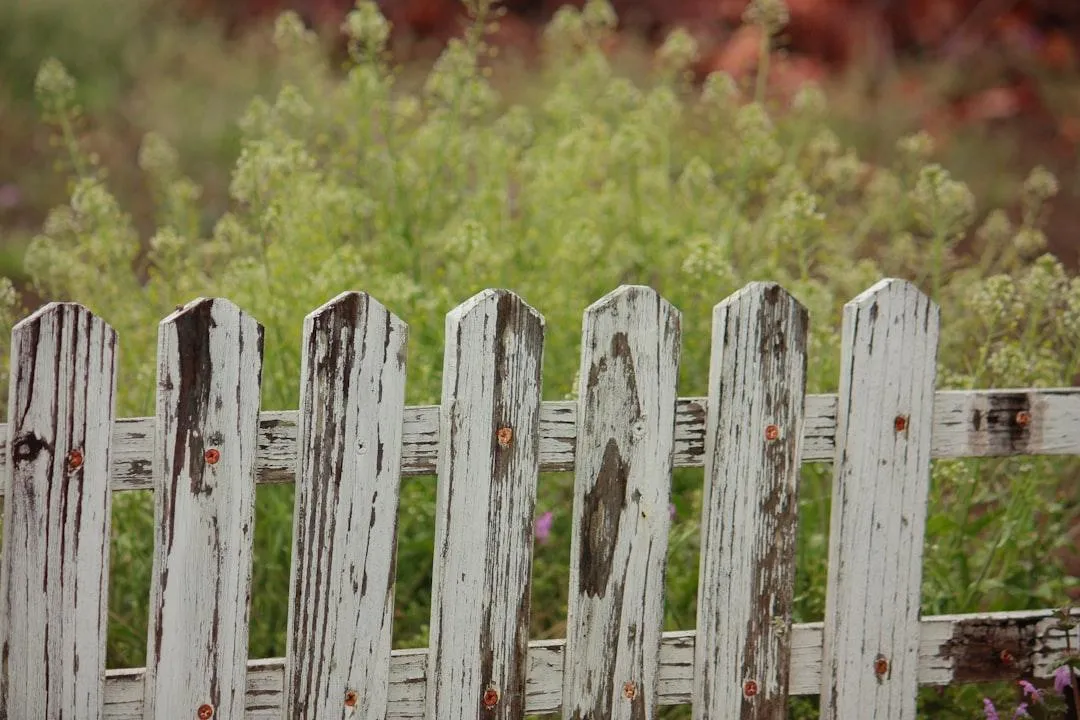
Before
Fence Cleaning

After
Fence Cleaning
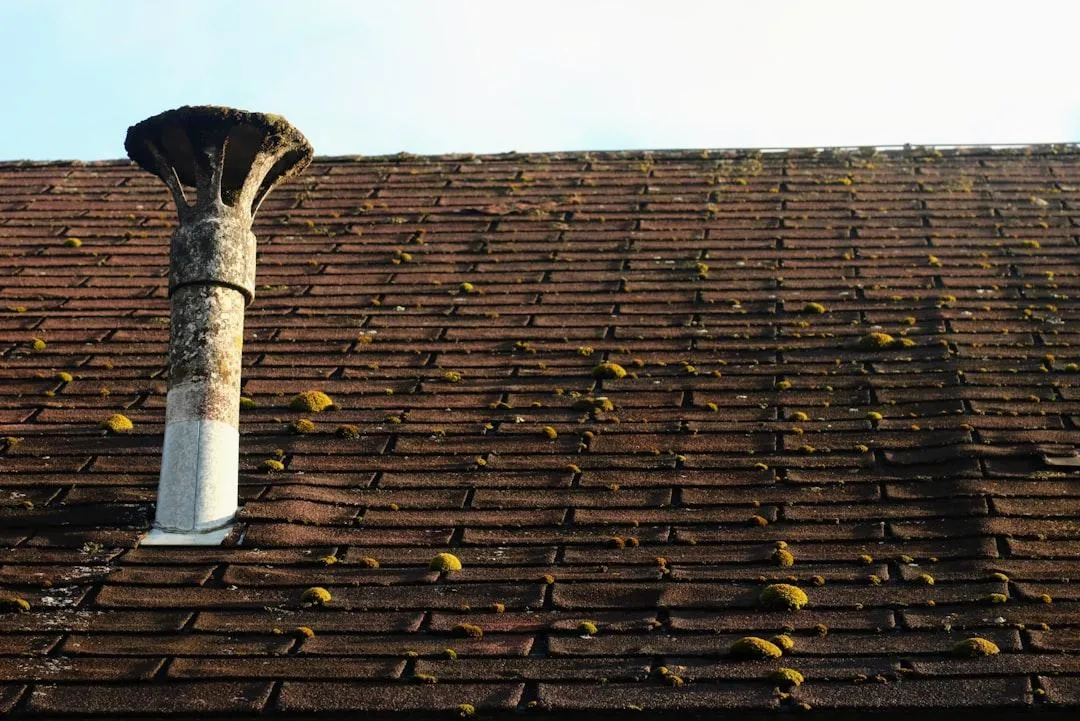
Before
Roof Cleaning

After
Roof Cleaning
Tranformations We've Done
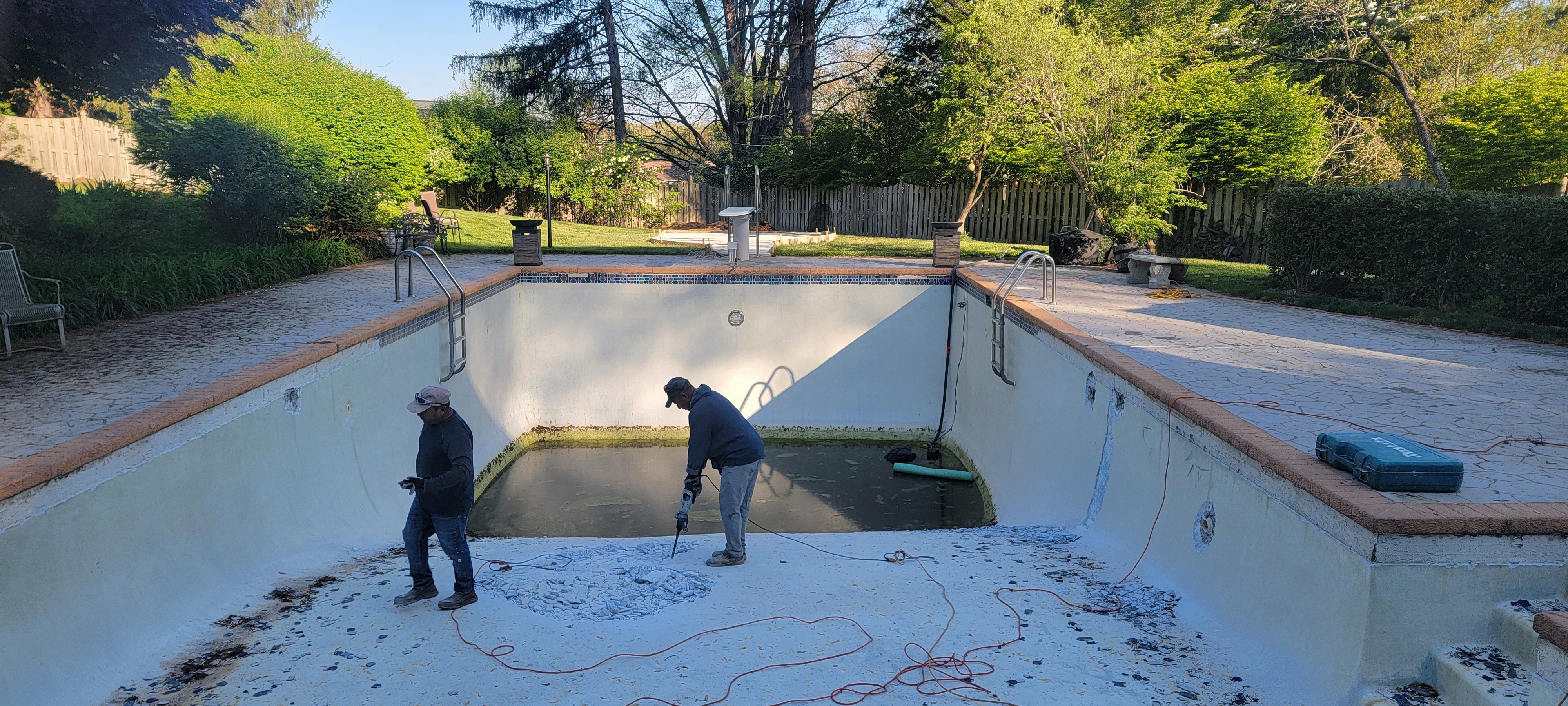
Before
House Siding Wash
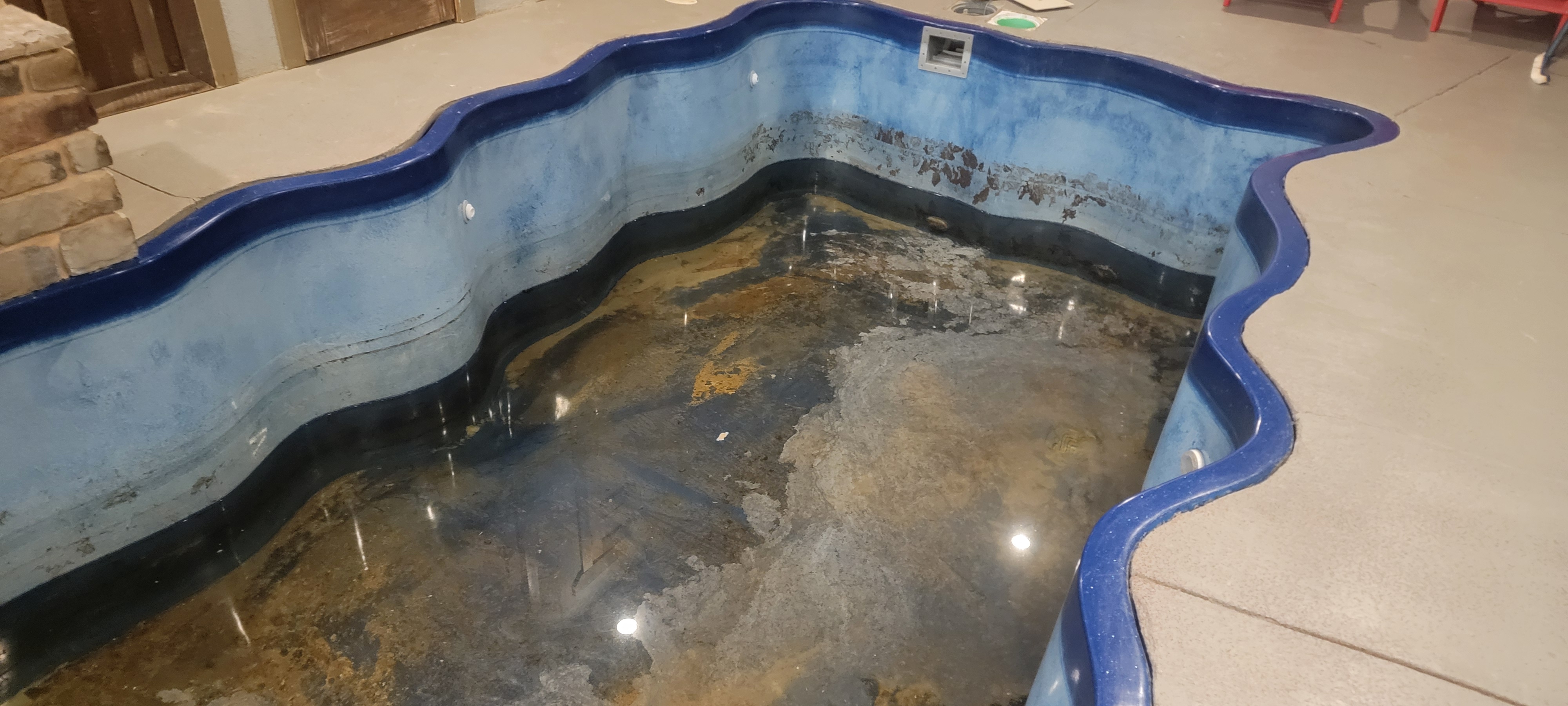
Before
Fence Cleaning
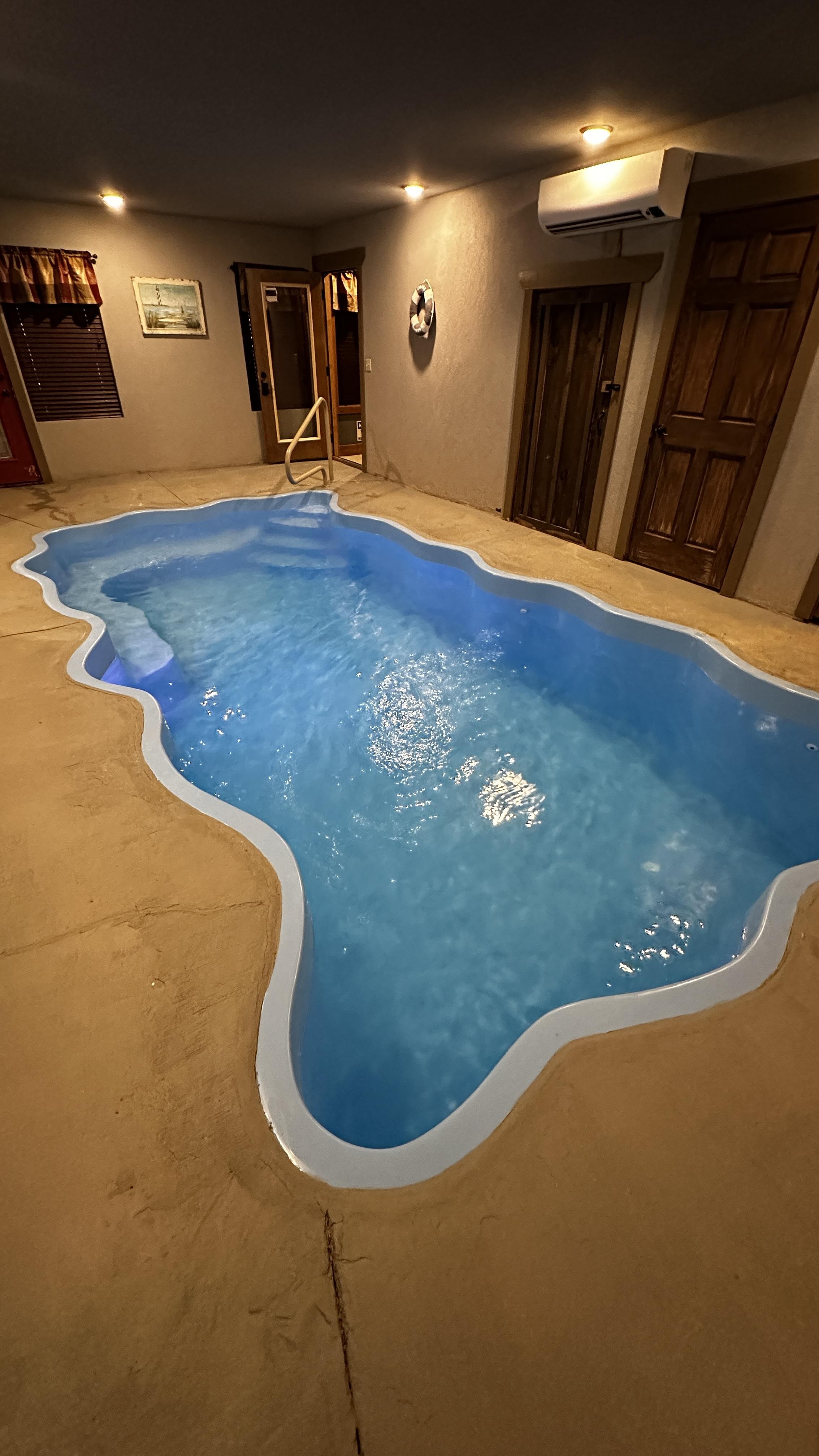
Before
Roof Cleaning
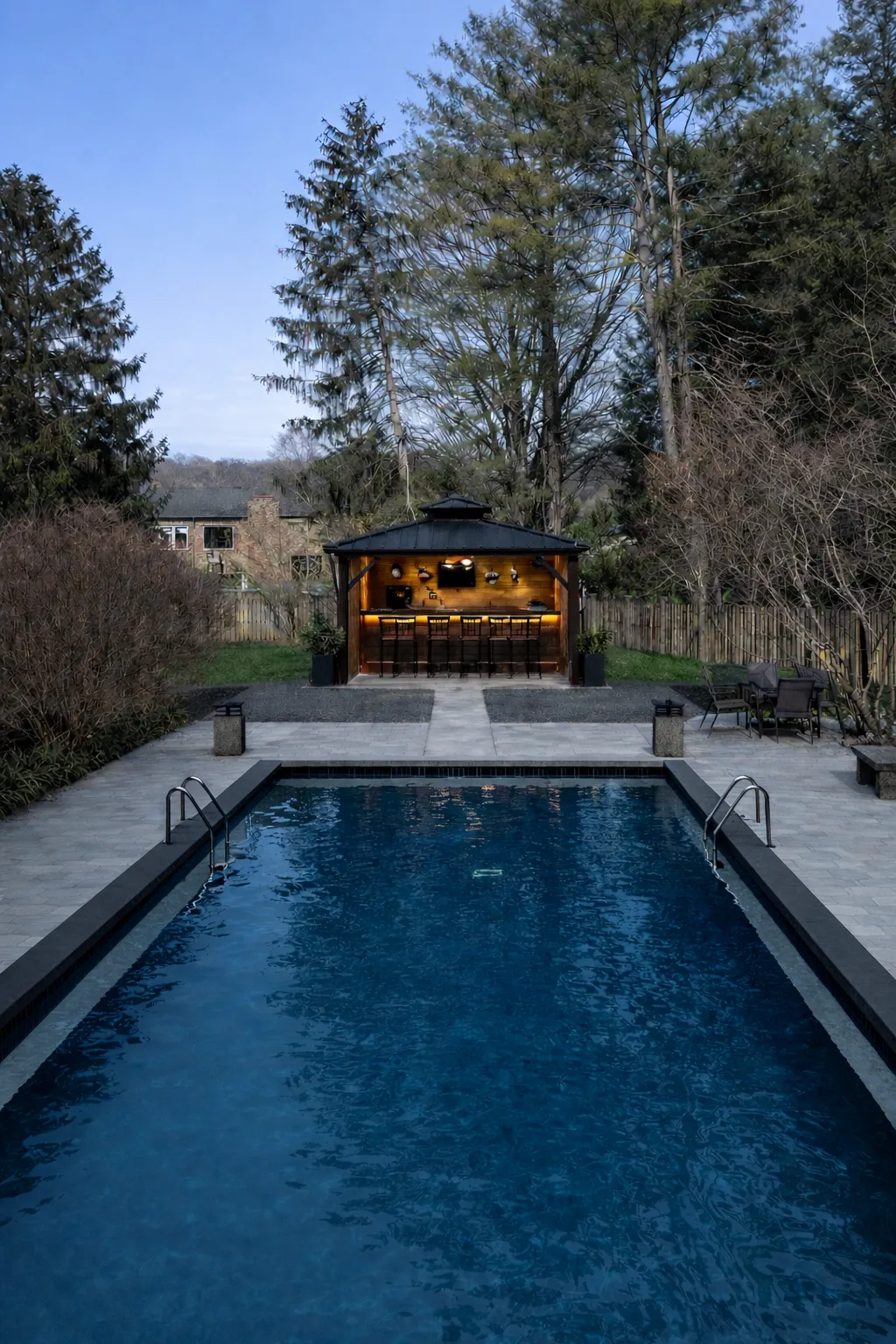
After
House Siding Wash
After
Fence Cleaning
After
Roof Cleaning

We have experts for testimony in court for any pool or waterscape related claims. For example one expert is a plumber, electrician and pool builder with 3 distinct licenses. Another has plastered 16,000 pools over 30 years. A third inspector is a licensed pool contractor who investigates the cause of fires for the fire department.
Meet The Team

Emily Receptionist



Jerry Campbell

Elijah Campbell
Pool Maintenance Tips
Tips to Open Your Pool for Swimming Season!
If a pool is properly winterized, it can easily be reopened come swimming season. Most importantly, don't remove the pool cover until you've cleaned the area around the pool. Sweep or hose away debris to prevent it from getting into the pool. Next, use a garden hose to fill the pool to its normal water level. Reconnect everything that was disconnected. Water will need to flow through the circulation system, so open the skimmer line valve. Test the water for its pH level, then shock the pool. It'll take a week or more before the pool gets balanced and becomes swimmable. Leave the pump running 24 hours a day, and reduce the run by only an hour or two each day until the water is balanced.
Tips on how to mow your lawn when you have a Pool!
Where you live determines whether or not you should winterize your pool. If your location experiences temperatures that drop below freezing, you'll need to take steps to ensure that your pool stays healthy. Residual pool water left in pipes can freeze and cause damage. To prevent this from happening, use an air compressor to blow water out of the pool's plumbing when swimming season is over. Also, drain as much water as possible from the filter and heater. Any remaining water can be eliminated using nontoxic antifreeze (caution: this is different from antifreeze for vehicles). Disconnect the heater, pump and chemical feeders, the latter of which should be cleaned and stored.
Find and Repair Leaks!
Sometimes it's difficult to determine if low water levels are due to evaporation or a leak. You can discover leaks in your pool by conducting a simple bucket test. Fill a plastic bucket three-quarters full of water. On the inside of the bucket, mark the water line. Place the bucket in the pool, then mark the water line on the outside of the container. (If the bucket has a handle, remove it to allow for better stability while floating.) Let it float for two or three days. If the water inside and outside the bucket has gone down the same amount, your pool is losing water due to evaporation. However, if the pool water level has gone down more than the water inside the bucket, your pool has a leak. That's your cue to call a professional to have it patched.
How to Maintain the PH Level In Your Pool!
Pool water should be tested regularly to make sure it's clean and healthy. The pH scale is a measurement of acidity or alkalinity that runs from 0 to 14. A reading between 7.2 and 7.8 is ideal; this range is safe for swimmers and helps sanitizers work at top efficiency.
You can monitor your pool's pH level with a testing kit. There are many kinds of testing kits available; however, most homeowner versions are either reagent kits or test-strips. Reagent kits aren't too difficult to use. You take a sample of pool water, then add liquids or tablets to it. The water changes color, indicating its chemical balance. Test-strips work differently. When you submerge them in the pool for a few seconds, dyes they contain cause them to change color. Next, match up the strip to a color chart to determine the pool's pH level. Use this information to gauge what kind and how much of the chemicals your pool needs.
Tips to check and maintain your pool water level!
A lot of water will be lost throughout the swimming season largely because of evaporation and normal wear and tear, such as swimming, splashing and exiting the pool. When you remove debris with your skimmer throughout the week, that's also a good time to check the water level. Ensure it doesn't fall below the level of the skimmer, otherwise the pump could be damaged. If the water is low, use a garden hose to bring it up to safe levels.
If you drain your pool to perform maintenance or once the swimming season has passed, be careful to not let the pool sit empty too long. As a general rule, it's best to leave water in a pool throughout the winter because the weight of the water counteracts with forces from the ground pressing up against the pool from below.

COMPANY
CUSTOMER CARE
LEGAL
FOLLOW US


© Copyright 2026. Campbell & Son Pools. All Rights Reserved.