
Our Pool Services
From Pool Inspections to Pool Maintenance We've got you covered!
300+ Projects Completed
100% Customer Satisfaction
20+ Years of Experience
300+ Projects Completed
100% Customer Satisfaction
20+ Years of Experience
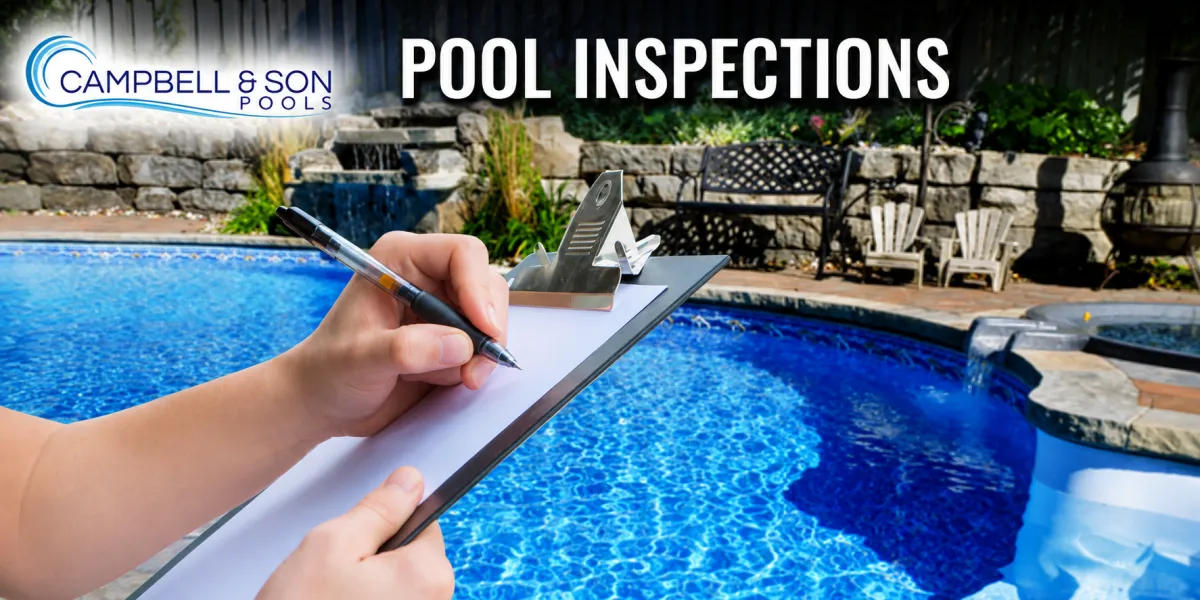
Pool Inspections
The top factor is TIMELINESS which is the hallmark at Campbell & Son Pools. Timely reporting, accurate work swiftly done, fast factual work that is to-the-point, on time every time, makes the difference. And saves insurance professionals like you time, money and headaches!
Have complete confidence in our inspector’s work, along with truthful reporting of actual cause of loss. Our inspectors maintain good communication and property owners appreciate their professional behavior at all times.
We work with insurance adjusters and claim specialists to handle claims related to above and in-ground pools, spas and hot tubs. Our network of licensed contractors and engineers are also available for situations that require expert witness certification. Some of the pool & spa inspections involve:
Purchase Home Transactions a timely inspection report
Soot and Ash in the pool
Fire Damage
Cracking plaster
Other insurance claims
We also supply to the insurance professional, along with the damage report, a cause & origin report and a cost estimate for doing only the necessary repairs.
House Washing
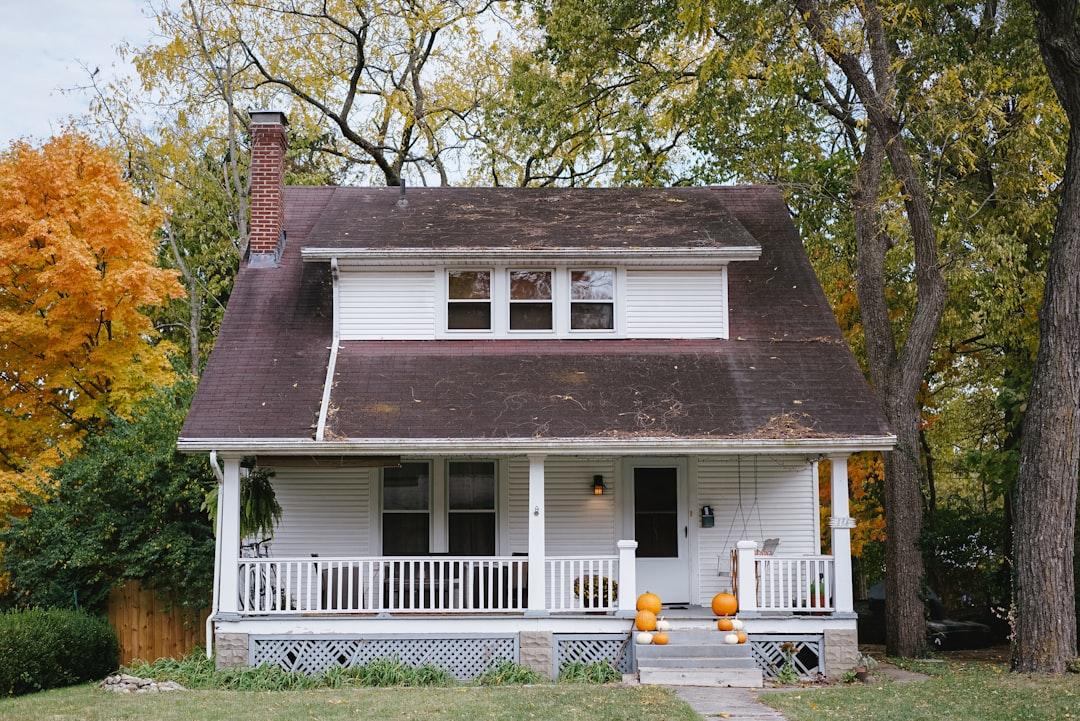
We use a safe soft wash method to remove built-up dirt, mold, algae, and mildew from your home’s siding, restoring its original look without causing any damage to paint or materials.
Soft washing for vinyl, wood, and stucco
Safe for paint and siding
Boosts curb appeal instantly
Pool Care & Maintenance
FLEXIBLE POOL CLEANING SERVICE IN KNOXVILLE & SURROUNDING COUNTIES
Campbell & Son Pools understands that pool owners have different needs and budgets, which is why we offer weekly, bi-weekly, and monthly pool maintenance packages. Why bother with chemicals and labor intensive pool cleaning when you have a reliable pool cleaning option right here? Contact Campbell & Son Pools today and spend your free time enjoying a clean, sparkling pool.
POOL MAINTENANCE SERVICES
No matter how frequently you chose to have your pool serviced, our experienced pool service techs will take great care in making sure your pool is clean and well-balanced. Our pool maintenance packages include:
Vacuum Pool
Net Top
Clean Pool Tile
Blow Deck
Empty Baskets
Balance Chemicals
Empty Pool Cleaner
Backwash Filter
Brush Walls
Clean Equipment Area
Roof Cleaning

Our low-pressure roof cleaning system gently eliminates black streaks, moss, lichen, and algae while protecting your shingles and extending the life of your roof — no harsh pressure or damage.
Low-pressure soft wash system
Extends the life of your roof
Ideal for asphalt, tile, and metal roofs
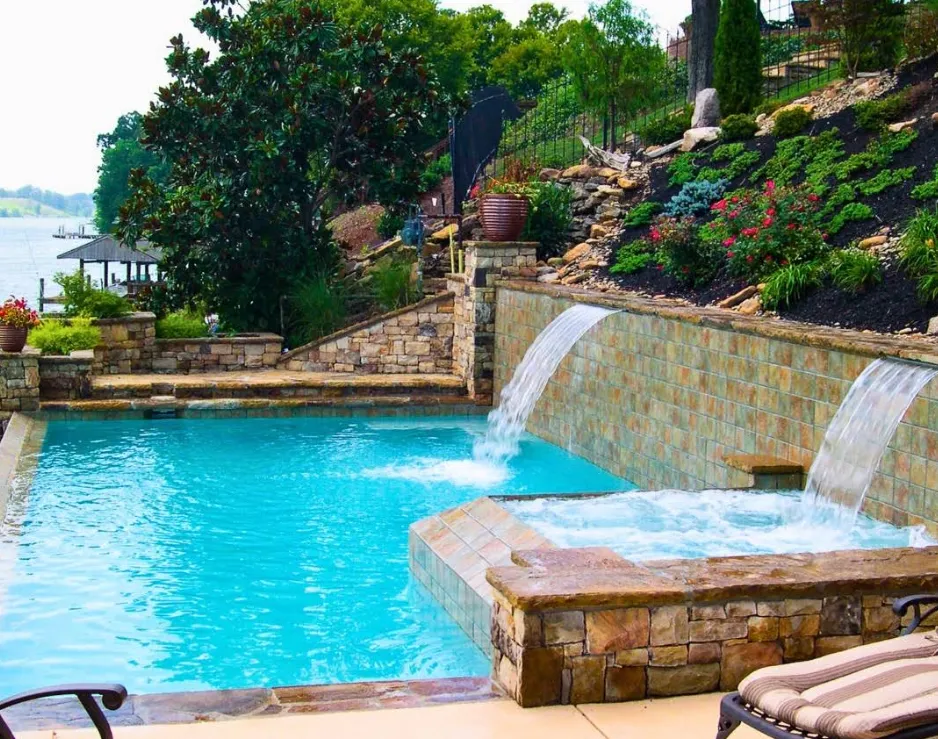
Pool Experts Preventative Maintenance
Throughout our three decades of experience installing and maintaining pools, we’ve learned not just to most efficient ways to correct problems but to prevent them. In addition, we’ve developed relationships with suppliers that offer you access to the most innovative and useful equipment available today.
Our General service includes:
Campbell & Son Pools provides monthly maintenance services, including:
Heater installation and repair (Natural Gas Heaters – Propane Heaters – Electric Heat Pumps)
Filter Installation and Repair (Sand – DE – Cartridge)
Pump and Motor Installation and Repair
Salt Chlorine Generator Installation and Repair
Automation Installation and Repair
Chemical Feeder Installation and Repair (Frog, Hayward Chlorinators)
Pool Light Replacement and Repair
Leak Detection Services (Pressure Tests for Pool Plumbing, Liner Inspection)
Pool plumbing repair (Pipes, Fittings, Valves)
Liner Repair (Hole Patching, Liner tucking into the track)
Safety Cover Repair and InstallationCommercial, Industrial and Residential Power Washing or Pressure Washing
Pool Opening & Closings
When it’s time to open your pool count on the experts at Campbell & Son Pools to do the job right. We’ll re-install accessories such as diving boards, ladders, handrails, lights, pool cleaner, etc. And we’ll reassemble filter and pumps, including replacement of gaskets and/or seals if needed (parts not included), and perform a complete water chemistry check.
Pool Closings: Protect Your Pool in Winter
When the summer season ends, Campbell & Son Pools winterizes the pool equipment and all of the pool lines and adds necessary chemicals to the pool. A properly closed pool ensures a stress-free opening next season. Campbell & Son Pools services include lowering the water level in your pool accordingly; draining your pool’s filtration, heating and pumping equipment; blowing out filtration lines and equipment and installing winter plugs; removing the pool sweep and storing it on your property; covering the diving board; installing ice protection container in the skimmer and covering the filtering equipment with plastic.
Our pool opening service includes:
Installation of all Deck Equipment (Ladder, Handrails, Diving Board, Lights)
Installation of skimmer Basket/s and Return Eyeballs
Prime and Start Pool Pump
Light Heater Pilot
Visually Inspect Pump, Filter, and Heater for Proper Operations
Add Chlorine Tablets, Super Chlorination (Shock), and an Algaecide Treatment
Vacuum Pool
Our pool closing service includes:
Removal of all Deck Equipment, such as Ladders, Handrails, Lights. (We do not remove Diving Boards Due to Liability.)
Removal of Skimmer Basket’s and Return Eyeballs
Blowout of All Pool Related Water Lines using an “Air Compressor”. We also add Antifreeze where needed.
Proper Winterizing of Pool Equipment (Filter, Pumps, Heater, Chlorinator, Etc.)
Addition of Winter Chemicals (Non-Chlorine Shock, Winter Algaecide, Mineral Control Agent)
Pool Pressure Washing Experts
We use professional surface cleaners that use heated water to evenly clean the surface without having to resort to high pressure streams which can severely damage some types of pool decks and coverings.
Our highly trained, uniformed employees bring years of experience to the job. Our vast knowledge of soaps, detergents and algaecides ensure that stains, dirt and grime are removed effectively without damaging the structure or our environment.
Pressure Washing services include:
Commercial, Industrial and Residential Power Washing or Pressure Washing
Stripping and Resealing of Brick Pavers and Wood Decks
Low Pressure Roof Washing
Homes
Sidewalks
Tile Roofs
Pool Repair & Leak Detection
When it comes to pool leak detection, having the right equipment can make all the difference. Throughout the years Campbell & Sons found the best process, bar none, is our Full Leak Detection. Every nook and cranny of the entire structure is accounted for and every plumbing line is pressure tested to ensure its integrity. We use one of the premier instruments for pool leak in the world. The Model LD-12 Subsurface Leak Detection. Easy-to-use water leak detector optimized for ground “miking” on streets & concrete slabs. The LD-12 water leak detector is a very easy-to-use detector, featuring six filters that allow the unit to screen outside noise and zero in on water leaks. The LD-12 is a must for every water utility as it’s the professional’s water leak detector.
Pool Renovation & Repairs
Pumps and Motors - Pool pumps and motors are intricate systems that sometimes break down. If the pump or motor are louder than usual or making a strange noise, it is likely that it needs service. Our technicians have the expertise to find the mechanical issues with pumps and motors and fix them quickly. Let us get to the bottom of the problem.
Leaks -Don’t let a leaky pool send your water bill soaring. If you suspect that your pool has a leak, contact us right away. The best time to repair a leak is before it gets worse. Water can be a destructive force and we will make saving your pool our top priority.
Heaters - Pool heaters need to be maintained to stay in good condition. If your pool heater won’t turn on or doesn’t seem to be heating the water, our technicians can help. We are familiar with all makes and models of pool heaters and will provide you with a solution to the problem. Let us get your pool water back up to the temperature you like it.
Salt Systems - A salt system is what keeps your pool water chlorinated and safe for swimming. If you test your pool water and it lacks chlorine, you have a problem on your hands. Salt build up can potentially cause issues with these systems. Don’t hesitate to call us to make a service appointment.
Other Repair Services - If it has to do with your pool, we can repair it. From fixing automatic chlorinators, pool controllers and freeze guards to troubleshooting a poor water quality issue, our team has the knowledge and experience to assist you. Whether you have a minor problem that requires skimmer repair or valve replacements or a major problem such as leaks or green pool water, contact us.
Pool Renovation
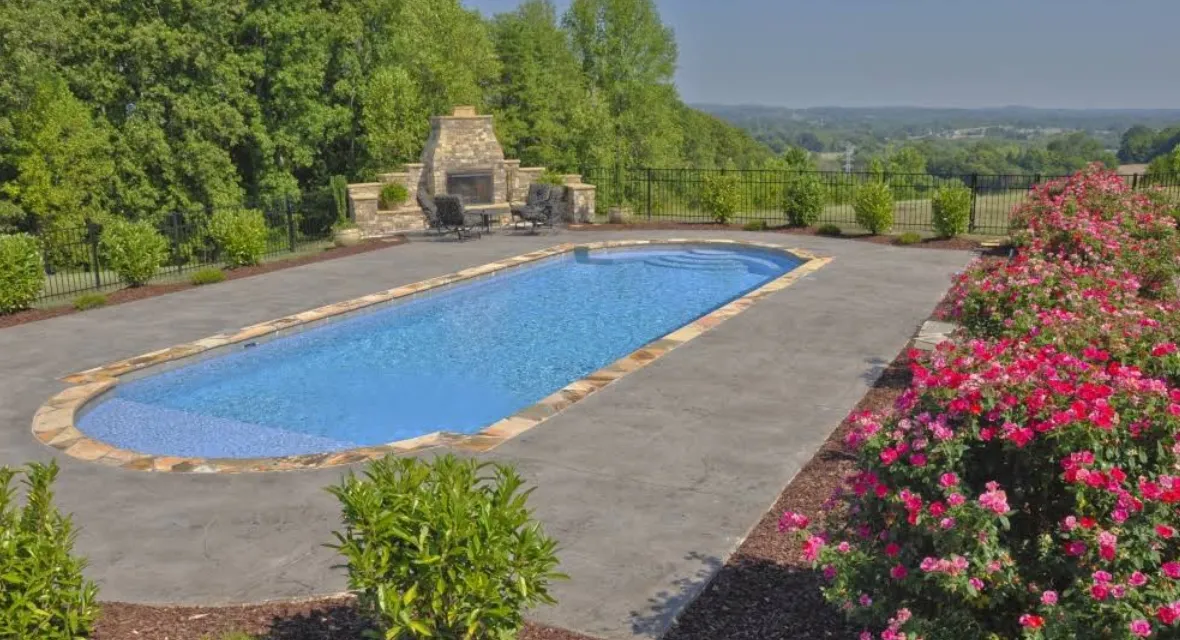
We are experts at all types of pool renovation, including remodels, repairs, and improvements. If you’re ready to show your pool some love, or if it’s time for a major backyard upgrade, give us a call! We will carefully analyze your current pool, walk you through the various options available to achieve your desired results, guide you in choosing the best solutions, and prepare a detailed cost estimate for the pool renovation you’ve selected.
We have renovated and remodeled numerous pools in Knoxville and the surrounding counties. We have the skills and experience needed to complete any job, no matter what your pool improvement needs may be. We’ve done everything from straightforward re-plastering jobs to extensive pool expansions. We’ve even partnered with other vendors to unveil complete outdoor environments! There are so many features to consider for creating the pool of your dreams!
Do you need re-plastering, remodeling, or some other pool renovation?
Are you envisioning a newer, bigger, better, or more technologically advanced swimming pool?
Popular Pool Renovation Features
We can add features such as:
Fire boxes
Slides
Grottos
Swim up bars
Water jets
and much more…
Pool Equipment Installation
Do you have a new heater or freeze guard that you need to install on your pool? Campbell & Son Pools will be happy to help with any installation services you may need. From cleaners to controllers, we are here to help! Equipment we install can include but not limited too:
Automatic Controllers
Salt Systems
Heaters
Filtration Equipment
Pool Cleaners
Pool Covers
Freeze Guards
Pool Lighting
If your pool lights go on the blink, you need the pool repair experts at Campbell & Son Pools. We have the proper licensing and expertise to be able to troubleshoot your lights and recommend the best course of action.
Our services include the following:
Light Bulb Replacement – if the bulb has blown out, then we can often just install a bulb and gasket in the existing fixture. If the fixture is full of water or if the cord is compromised, then the fixture will need to be replaced.
Light Fixture Replacement – if your light fixture needs to be replaced, our experienced repair technicians will remove the new fixture, pull a new fixture and secure it into the niche and test it out.
LED Bulbs and Fixtures – we offer LED light fixtures for most of the standard pool light niches. These use 85% less electricity and the bulbs last a lot longer. We also offer LED light bulbs that can be used in standard light fixtures.
Fiber Optic to LED Conversion – if your fiber optic lighting is no longer operational or if it does not work well, you may want to talk to us about retrofitting your system with LED lighting. We have a lot of great retrofit alternatives from several different manufacturers to meet every application.
Electrical Troubleshooting – if your light is not working sometimes the problem is not with the light fixture or bulb. The problem may be in the GFCI or the wiring between the controls and the light. Our technicians are trained to carefully troubleshoot these issues and recommend the best course of action for your situation.
Driveway & Concrete Cleaning
We deep-clean driveways, sidewalks, and other concrete surfaces to remove tough stains, oil spots, and years of built-up grime, leaving a bright, like-new finish that enhances your whole property.
High-pressure surface cleaning
Removes years of grime
Great for driveways, sidewalks, and walkways
Driveway & Concrete Cleaning
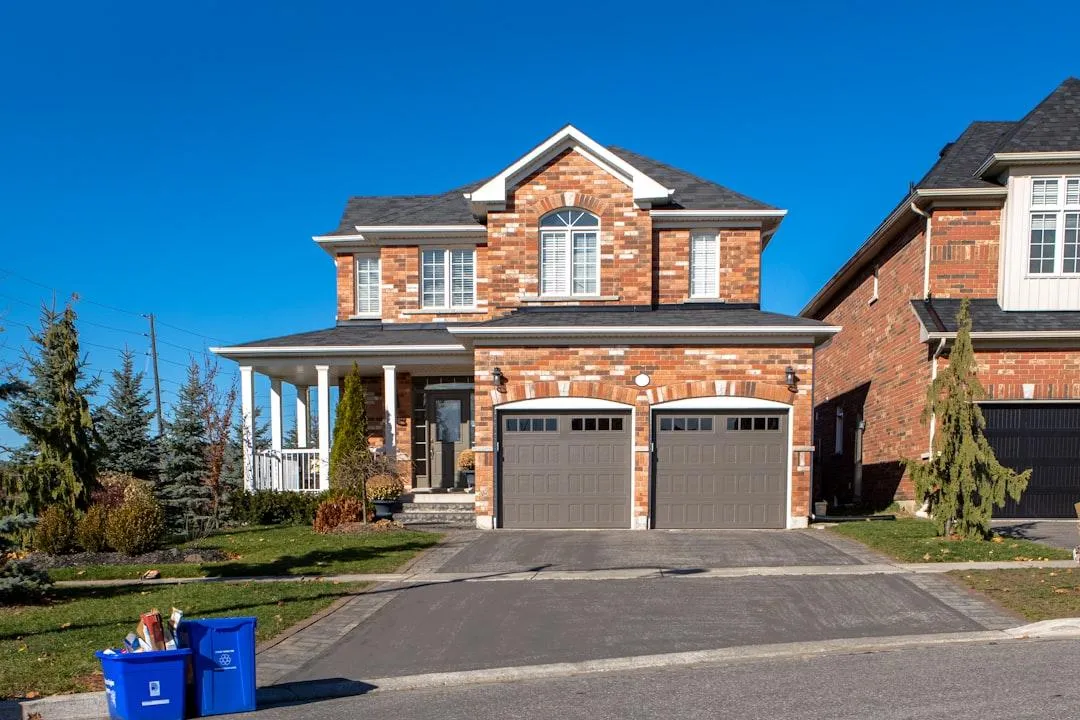
We deep-clean driveways, sidewalks, and other concrete surfaces to remove tough stains, oil spots, and years of built-up grime, leaving a bright, like-new finish that enhances your whole property.
High-pressure surface cleaning
Removes years of grime
Great for driveways, sidewalks, and walkways
Deck & Patio Cleaning
Revive dull, weathered decks and patios by safely washing away dirt, algae, and mildew. Whether it’s wood, stone, or composite, we’ll make your outdoor space look fresh and ready to enjoy.
Prepares surfaces for sealing or staining
Safe on composite, wood, and pavers
Lifts dirt, algae, and mildew
Deck & Patio Cleaning
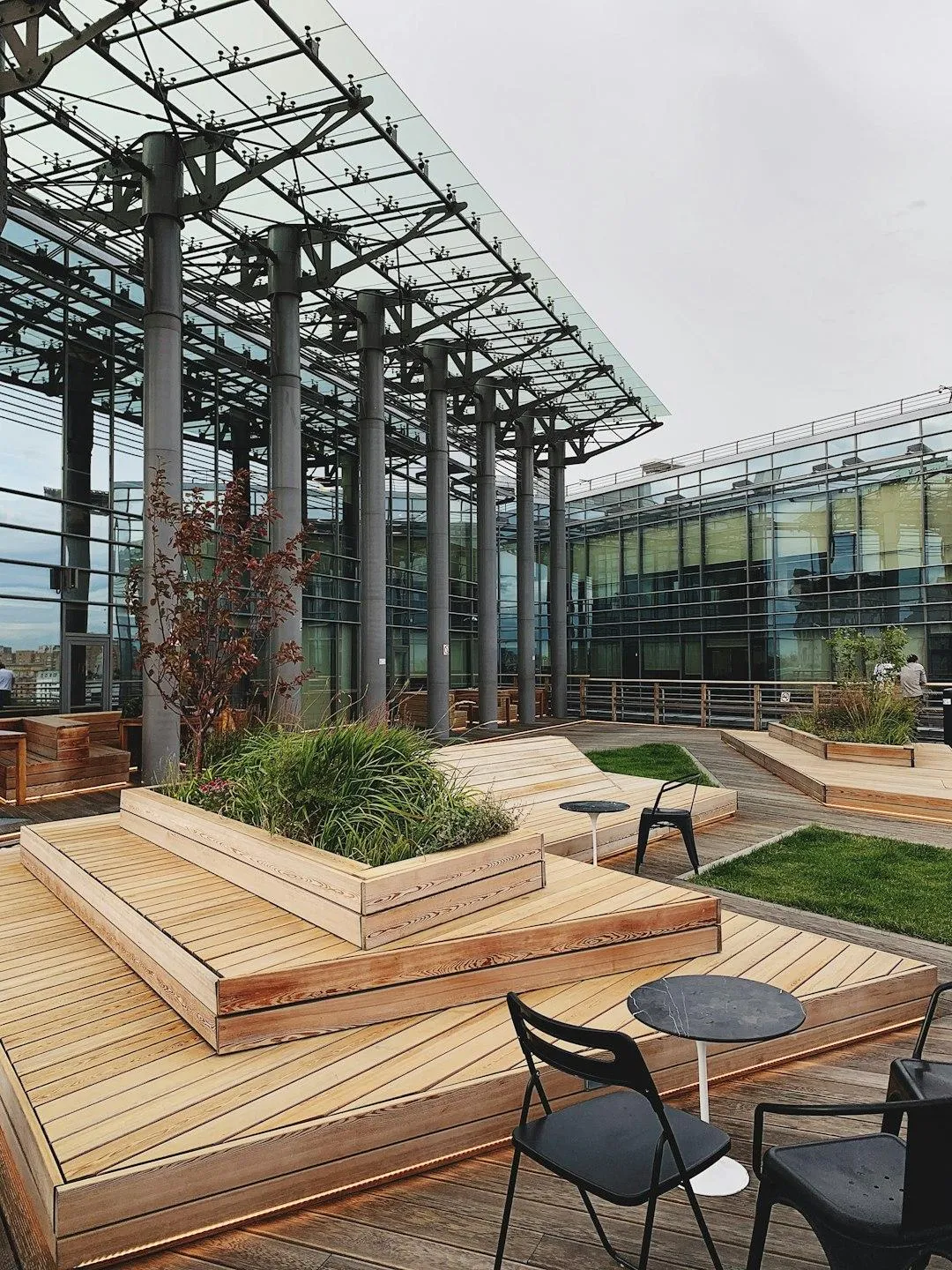
Revive dull, weathered decks and patios by safely washing away dirt, algae, and mildew. Whether it’s wood, stone, or composite, we’ll make your outdoor space look fresh and ready to enjoy.
Prepares surfaces for sealing or staining
Safe on composite, wood, and pavers
Lifts dirt, algae, and mildew
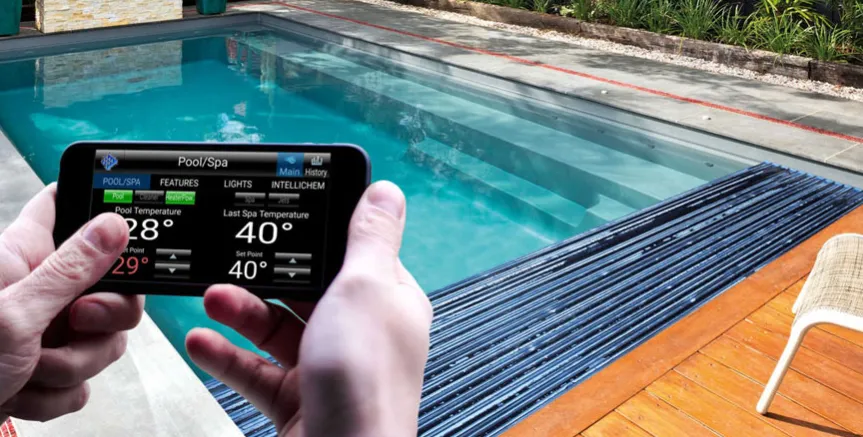
Pool Automation
Your pool is the “entertainment center” of your backyard. It is estimated that 80% of new pools built in the Knoxville area are controlled by an automation system. If you have not yet done so, consider using a pool automation system to take your backyard oasis to the next level. Our customers love the added benefit and ease of operation that pool automation provides!
If your pool automation system is old or outdated, we have some excellent options to recommend. Campbell & Son Pools is one of Pool and Spa’s largest warranty companies in the East Tennessee! We are experts at installing and programming automation. Automation options from Pentair include EasyTouch, Intellitouch, or ScreenLogic.
EasyTouch Pool Automation, Easy To Install, Easy To Manage!
Take the work and worry out of scheduling and operating pool and spa heating, filtration and cleaning cycles. You can choose from various optional controllers offering these features:
All functions controlled with easy, one-button access from the Load Center.
A variety of optional, simple-to-use remote, wired or wireless controllers for added convenience.
Full programmability of everyday equipment operation for optimum efficiency. Re-program for variable pool/spa usage patterns or when adding or changing equipment to maintain peak efficiency.
Onboard diagnostics make service simple. Built-in, self-test diagnostics give you the ability to verify correct operation of specific functions, and a diagnostic screen reports failures for troubleshooting and repair.
Fence Washing
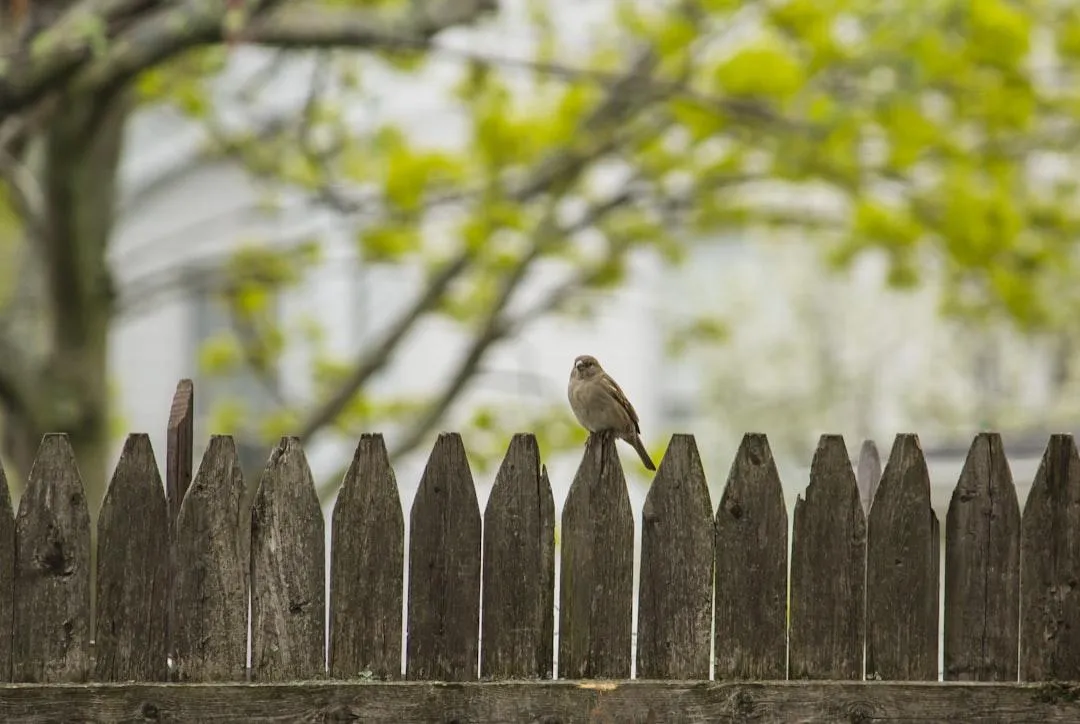
Fences take a beating from the elements. We clean wood, vinyl, and metal fences with the right level of pressure to restore their original color and appearance without causing damage.
Works on wood, vinyl, and metal
Restores original color and texture
Prevents long-term damage from buildup
Pool Tile, Cleaning and Interior Surfacing
Pool Tile Cleaning
At Campbell & Son Pools, we take care of your pool like it was one of our family members. We have years of experience in pool tile cleaning and can make your pool tiles look new again. We are also experts in acid washing and calcium removal for pool tile, pool walls and surfaces.
Pool Tiles and Pool Pavers
Campbell & Son Pools sells pool tiles and pavers all around Knoxville and the surrounding counties every day of the working week. Simply contact us for samples and we’ll get them to you ASAP. Give us a call if you need:
Glass and Ceramic mosaic pool tiles
Stone tiles and pavers including Granite, Travertine, Limestone, Sandstone and Quartzite
Pool coping
Custom and ready made Mosaic Pictures in Glass and Ceramic
Custom feature walls and stacked stone cladding
Commercial pool tiles
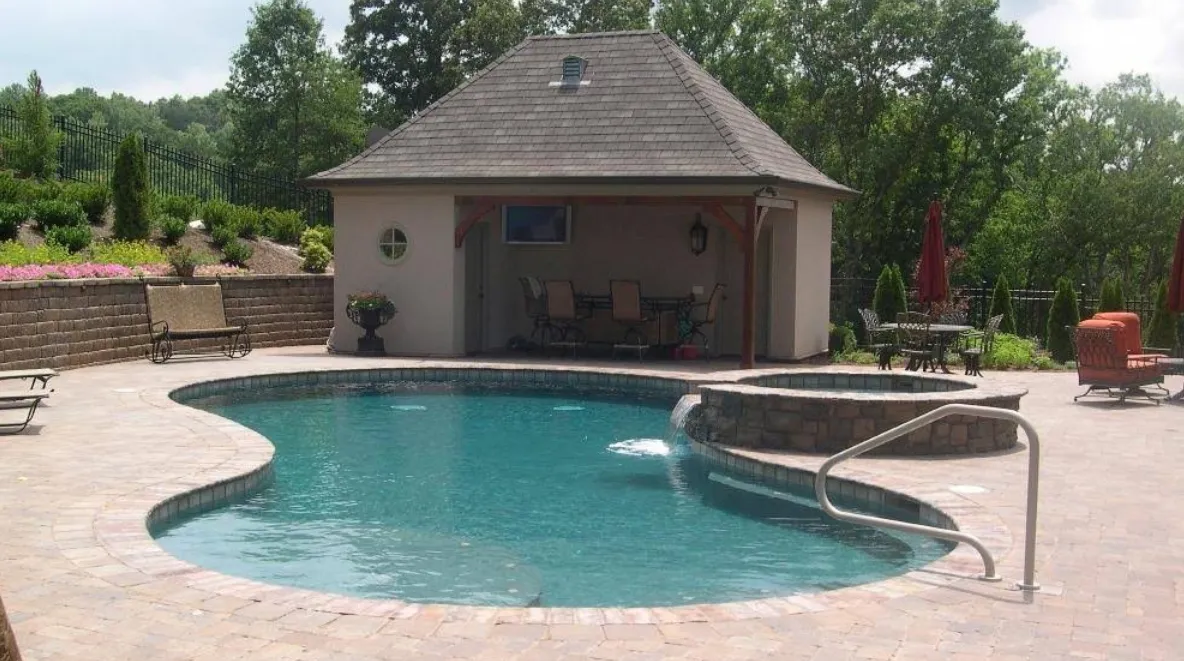

We have experts for testimony in court for any pool or waterscape related claims. For example one expert is a plumber, electrician and pool builder with 3 distinct licenses. Another has plastered 16,000 pools over 30 years. A third inspector is a licensed pool contractor who investigates the cause of fires for the fire department.
Commercial Power Washing
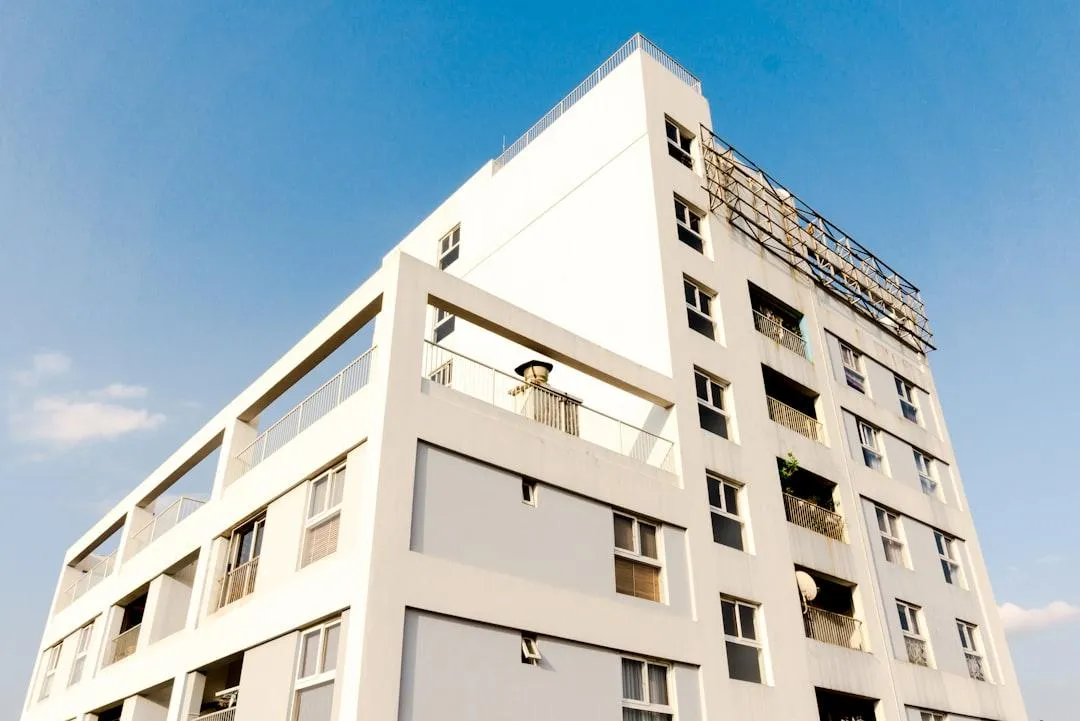
We help businesses make a strong first impression by cleaning storefronts, parking areas, signs, and buildings. Our flexible scheduling ensures minimal disruption to your operations.
Storefronts, parking lots, signage, and buildings
Flexible scheduling to minimize disruption
Custom solutions for your property
Pool Maintenance Tips
Tips to Open Your Pool for Swimming Season!
If a pool is properly winterized, it can easily be reopened come swimming season. Most importantly, don't remove the pool cover until you've cleaned the area around the pool. Sweep or hose away debris to prevent it from getting into the pool. Next, use a garden hose to fill the pool to its normal water level. Reconnect everything that was disconnected. Water will need to flow through the circulation system, so open the skimmer line valve. Test the water for its pH level, then shock the pool. It'll take a week or more before the pool gets balanced and becomes swimmable. Leave the pump running 24 hours a day, and reduce the run by only an hour or two each day until the water is balanced.
Tips on how to mow your lawn when you have a Pool!
Where you live determines whether or not you should winterize your pool. If your location experiences temperatures that drop below freezing, you'll need to take steps to ensure that your pool stays healthy. Residual pool water left in pipes can freeze and cause damage. To prevent this from happening, use an air compressor to blow water out of the pool's plumbing when swimming season is over. Also, drain as much water as possible from the filter and heater. Any remaining water can be eliminated using nontoxic antifreeze (caution: this is different from antifreeze for vehicles). Disconnect the heater, pump and chemical feeders, the latter of which should be cleaned and stored.
Find and Repair Leaks!
Sometimes it's difficult to determine if low water levels are due to evaporation or a leak. You can discover leaks in your pool by conducting a simple bucket test. Fill a plastic bucket three-quarters full of water. On the inside of the bucket, mark the water line. Place the bucket in the pool, then mark the water line on the outside of the container. (If the bucket has a handle, remove it to allow for better stability while floating.) Let it float for two or three days. If the water inside and outside the bucket has gone down the same amount, your pool is losing water due to evaporation. However, if the pool water level has gone down more than the water inside the bucket, your pool has a leak. That's your cue to call a professional to have it patched.
How to Maintain the PH Level In Your Pool!
Pool water should be tested regularly to make sure it's clean and healthy. The pH scale is a measurement of acidity or alkalinity that runs from 0 to 14. A reading between 7.2 and 7.8 is ideal; this range is safe for swimmers and helps sanitizers work at top efficiency.
You can monitor your pool's pH level with a testing kit. There are many kinds of testing kits available; however, most homeowner versions are either reagent kits or test-strips. Reagent kits aren't too difficult to use. You take a sample of pool water, then add liquids or tablets to it. The water changes color, indicating its chemical balance. Test-strips work differently. When you submerge them in the pool for a few seconds, dyes they contain cause them to change color. Next, match up the strip to a color chart to determine the pool's pH level. Use this information to gauge what kind and how much of the chemicals your pool needs.
Tips to check and maintain your pool water level!
A lot of water will be lost throughout the swimming season largely because of evaporation and normal wear and tear, such as swimming, splashing and exiting the pool. When you remove debris with your skimmer throughout the week, that's also a good time to check the water level. Ensure it doesn't fall below the level of the skimmer, otherwise the pump could be damaged. If the water is low, use a garden hose to bring it up to safe levels.
If you drain your pool to perform maintenance or once the swimming season has passed, be careful to not let the pool sit empty too long. As a general rule, it's best to leave water in a pool throughout the winter because the weight of the water counteracts with forces from the ground pressing up against the pool from below.
Need Pool Service?

COMPANY
CUSTOMER CARE
LEGAL
FOLLOW US


© Copyright 2026. Campbell & Son Pools. All Rights Reserved.